Why Vitamin A Is Important During Pregnancy
Vitamin A is a fat-soluble nutrient that plays a vital role in many bodily functions, including vision, immune function, and cell growth. During pregnancy, it is especially important because it supports the development of the baby’s organs, bones, and eyes, as well as the overall growth of the fetus. Research highlights that vitamin A is essential for both maternal and fetal health, making it a key nutrient to monitor during this time.
Pregnant women have increased nutritional needs, and vitamin A is among those that deserve attention. However, because the body stores vitamin A in the liver, both too little and too much can pose risks. The goal is to achieve a balance that supports the baby without exceeding safe levels.
Sources: ShunChild, Being The Parent
Understanding Retinol vs. Beta-Carotene: Two Forms of Vitamin A
Vitamin A comes in two main forms: preformed vitamin A (retinol) and provitamin A carotenoids like beta-carotene. Retinol is found in animal products such as liver, fish oils, eggs, and dairy. Beta-carotene is found in colorful plant foods like carrots, sweet potatoes, and leafy greens. The body converts beta-carotene into vitamin A as needed, which means it is much harder to consume too much from food sources alone.
This difference is critical during pregnancy. Excess retinol has been linked to an increased risk of birth defects, whereas beta-carotene is generally considered safe because the body regulates its conversion to vitamin A based on need. Understanding which form you are getting from food and supplements helps you make safer choices.
Sources: ShunChild, YanggeBiotech, Being The Parent
Recommended Intakes and Upper Limits During Pregnancy
While there is no single official recommended daily allowance (RDA) provided in the available research, it is clear that pregnant women need adequate vitamin A but must avoid excessive intakes. Authorities generally advise against high-dose supplements containing retinol, and instead recommend meeting needs through a balanced diet rich in beta-carotene sources.
One secondary source suggests that pregnant women can consume up to 3,000 micrograms (mcg) of preformed vitamin A per day from all sources, but this figure is not corroborated by other sources or official guidelines. Therefore, it should not be interpreted as a universal recommendation. A safer approach is to focus on beta-carotene-rich foods and to consult a healthcare provider for personalized advice, especially when taking prenatal supplements.
- The body converts beta-carotene to vitamin A only as needed, making it a safer dietary source during pregnancy.
- Preformed vitamin A (retinol) from supplements or animal sources can build up in the body and may be harmful in excess.
- Always check prenatal supplement labels for the form and amount of vitamin A they contain.
Sources: Pregnancy Archive, YanggeBiotech
Risks of Excessive Preformed Vitamin A (Retinol) for the Fetus
High intakes of preformed vitamin A during pregnancy have been associated with an increased risk of birth defects. This is why health guidance consistently warns against taking high-dose retinol supplements or consuming large amounts of liver, which is exceptionally rich in retinol.
The exact threshold for harm is not well-defined in the available research, but the evidence strongly indicates that excessive retinol is risky. In contrast, beta-carotene from foods has not been linked to such risks, because the body’s conversion process prevents toxic levels from accumulating.
Given the seriousness of potential birth defects, it is prudent for expectant mothers to limit preformed vitamin A from supplements and liver, and to prioritize plant-based sources of vitamin A.
Sources: ShunChild, Pregnancy Archive
Safe Sources: Beta-Carotene-Rich Foods and Prenatal Supplements
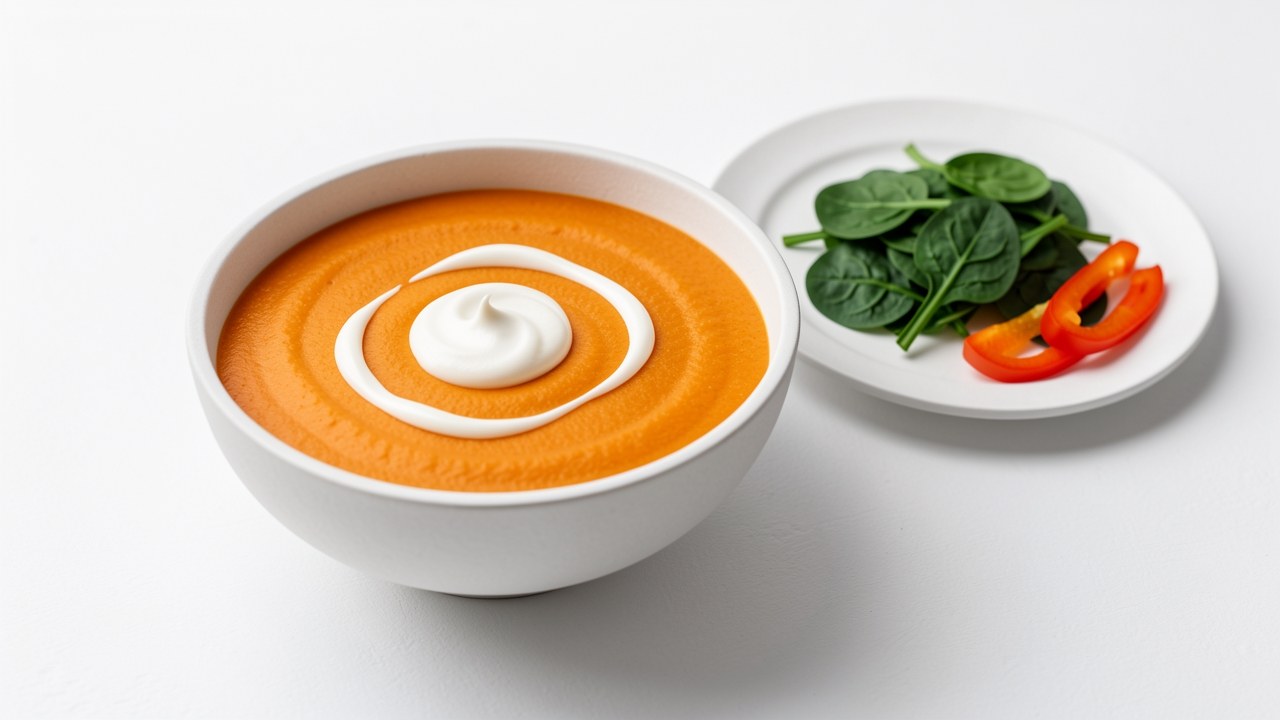
The safest way to meet vitamin A needs during pregnancy is through a diet rich in beta-carotene. Foods like carrots, sweet potatoes, spinach, kale, and other leafy greens provide provitamin A that the body can use as needed. These foods are also packed with other beneficial nutrients and fiber.
When it comes to prenatal supplements, not all are the same. Many prenatal vitamins contain vitamin A, but the form matters. Look for supplements that provide beta-carotene or a mix that is low in retinol. Prenatal supplements are specifically formulated for pregnancy and generally include safe amounts, but it is wise to read labels carefully and talk to your healthcare provider.
A healthcare professional can offer guidance based on your overall diet and health history.
- Carrots, sweet potatoes, and leafy greens are excellent sources of beta-carotene.
- Prenatal multivitamins typically contain vitamin A, but the amount and form should be checked.
- If you eat a varied diet, you may not need additional vitamin A supplements beyond your prenatal vitamin.
Sources: ShunChild, YanggeBiotech, Being The Parent
Foods to Avoid or Limit: Liver and High-Retinol Products
Liver and liver products, such as pâté, are very high in preformed vitamin A (retinol). Because excessive retinol is linked to birth defects, many health professionals advise pregnant women to avoid or strictly limit liver consumption during pregnancy. This is one of the few foods specifically highlighted in the research as a potential risk.
Other animal-based foods like eggs and dairy contain retinol, but in much smaller amounts and are generally safe as part of a balanced diet. The primary concern is concentrated sources like liver and high-dose supplements.
If you are unsure whether a food contains high levels of retinol, reading nutrition labels can help. In many countries, food labels list vitamin A content in micrograms of retinol activity equivalents (RAE) or international units (IU). Understanding these labels can help you stay within safe limits.
- Avoid or limit liver and liver products, including pâté and liver sausage.
- Fish oils, such as cod liver oil, are also high in retinol and should not be taken in high doses during pregnancy.
- Check labels on fortified foods or supplements for vitamin A content.
Sources: ShunChild
Action Plan: Reading Labels and Choosing Supplements
To manage vitamin A safely during pregnancy, start by reading the labels on all supplements you take. Look for the amount of vitamin A and the form it comes in. Beta-carotene is listed as such, while retinol may appear as vitamin A palmitate, retinyl acetate, or simply “vitamin A.” Prenatal vitamins often contain a mix of beta-carotene and some retinol, but the total should be well below the upper limit.
When in doubt, choose a prenatal supplement with beta-carotene as the primary source of vitamin A. Avoid additional vitamin A supplements unless your healthcare provider recommends them for a specific reason, such as a deficiency.
Finally, keep a balanced diet that includes plenty of fruits and vegetables. By focusing on plant sources of vitamin A and being mindful of animal sources, you can support your baby’s development without unnecessary risk.
- Check the supplement facts panel for vitamin A content and form.
- Look for prenatal multivitamins that contain primarily beta-carotene.
- Avoid high-dose retinol supplements, especially those labeled for skin or eye health.
- If you have questions, ask your doctor or a registered dietitian.
Sources: ShunChild, Pregnancy Archive, YanggeBiotech
Frequently asked questions
How much vitamin A is safe in pregnancy?
There is no universally established safe limit in the available research, but one secondary source suggests up to 3,000 micrograms (mcg) of preformed vitamin A per day from all sources. This figure is not confirmed by official guidelines, so it is safer to focus on beta-carotene from foods and to avoid high-dose retinol supplements. Prenatal vitamins are formulated for pregnancy and contain safe amounts, but you should check labels and consult your healthcare provider for personalized advice.
Sources: Pregnancy ArchiveCan I eat liver during pregnancy?
Liver is extremely high in preformed vitamin A (retinol), and excessive retinol is linked to an increased risk of birth defects. For this reason, many experts recommend that pregnant women avoid or strictly limit liver and liver products, such as pâté. If you choose to eat liver, it should be in very small amounts and infrequently, but the safest approach is to avoid it entirely and get vitamin A from beta-carotene-rich foods instead.
Sources: ShunChildWhat supplements contain vitamin A?
Many multivitamins and prenatal vitamins contain vitamin A, but the form and amount can vary. Prenatal vitamins are specially designed for pregnancy and typically include vitamin A as beta-carotene, retinol, or a combination. Some supplements, like those for skin health or eye health, may contain high doses of retinol and are not safe during pregnancy. Always read the supplement facts panel to see the vitamin A content and choose a prenatal vitamin with mostly beta-carotene.
Sources: ShunChild, Pregnancy ArchiveAre high doses of vitamin A linked to birth defects?
Yes, high doses of preformed vitamin A (retinol) have been linked to an increased risk of birth defects. This is why pregnant women are advised to avoid high-dose retinol supplements and excessive liver consumption. Beta-carotene, on the other hand, is considered safe because the body controls its conversion to vitamin A, making overdose unlikely from food sources.
Sources: ShunChildShould I stop my retinol skincare during pregnancy?
The research provided focuses on vitamin A taken orally and does not address topical retinol. However, many healthcare providers recommend caution with retinol skincare products during pregnancy because the skin can absorb some of the compound. Since high retinol levels are a concern, it may be prudent to limit or avoid retinol-containing skincare products and discuss alternatives with your doctor. The evidence reviewed does not specifically answer this, so rely on professional guidance.
Sources: ShunChildSources
- The Importance Of Safe Vitamin A Intake During Pregnancy | ShunChild — ShunChild
- How To Safely Navigate Your Pregnancy Without Excessive Vitamin A | ShunChild — ShunChild
- The Potential Risks Of Excessive Vitamin A During Pregnancy | ShunChild — ShunChild
- Is it safe to have vitamin A during pregnancy? — Pregnancy Archive
- is beta carotene safe during pregnancy? - YanggeBiotech — YanggeBiotech
- Vitamin A During Pregnancy - Being The Parent — Being The Parent