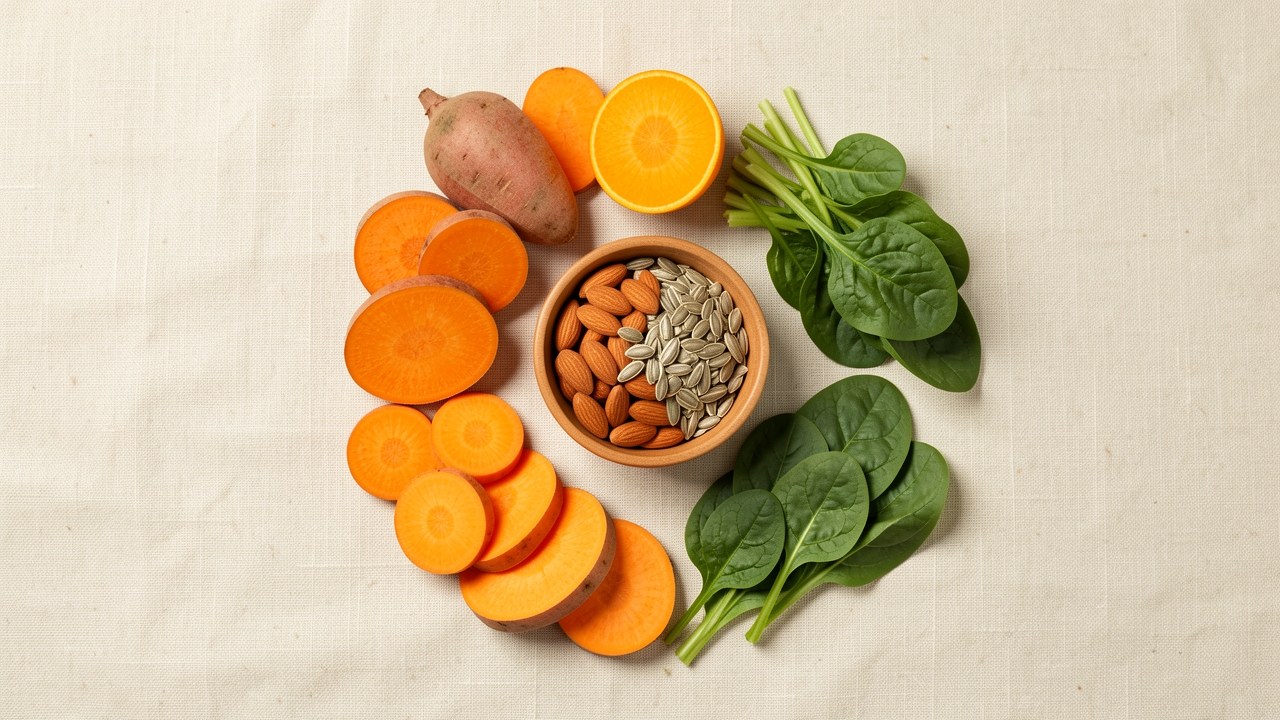
What Are Vitamins and Why Do You Need Them?
Vitamins are organic compounds that your body needs in small amounts to function properly. There are 13 essential vitamins: A, C, D, E, K, and the B vitamins (thiamine, riboflavin, niacin, pantothenic acid, B6, biotin, B12, and folate). Each plays a unique role, from supporting vision to helping your blood clot.
Your body cannot make most vitamins on its own, so you must get them from food or supplements. A balanced diet rich in fruits, vegetables, whole grains, and lean proteins typically provides the vitamins you need.
- Vitamins are required for normal growth, metabolism, and overall health.
- Each vitamin has specific functions; some act as antioxidants, while others support enzymes or hormones.
- A varied diet is the best way to meet your vitamin needs.
Sources: MedlinePlus
Fat-Soluble vs. Water-Soluble Vitamins
Vitamins are grouped by how they are absorbed and stored in the body. Fat-soluble vitamins—A, D, E, and K—are absorbed with dietary fat and stored in the liver, fatty tissue, and muscles. Water-soluble vitamins—vitamin C and all B vitamins—are not stored to a significant extent; excess amounts are excreted in urine, so you need to consume them regularly. Vitamin B12 is an exception, as it can be stored in the liver for many years.
This difference matters for how you get these vitamins from food and for your risk of toxicity. Fat-soluble vitamins can accumulate to harmful levels if taken in large amounts, while water-soluble vitamins are generally less risky because excess is eliminated.
- Fat-soluble vitamins: A, D, E, K
- Water-soluble vitamins: C and B-complex
- Fat-soluble vitamins are stored; water-soluble vitamins are mostly excreted.
Sources: MedlinePlus
Vitamin A at a Glance
Vitamin A is a fat-soluble vitamin that is stored in the liver. There are two forms in the diet: preformed vitamin A (retinol and retinyl esters) from animal foods and fortified foods, and provitamin A carotenoids (such as beta-carotene) from plant foods. Your body can convert beta-carotene into retinol.
Vitamin A is essential for vision, immune function, reproduction, and cellular growth and maintenance. It also supports the health of the heart, lungs, and kidneys.
Good food sources include liver, fish, eggs, and dairy for preformed vitamin A; carrots, sweet potatoes, and spinach provide beta-carotene. Including a small amount of fat with vitamin A-rich foods improves the absorption of carotenoids.
- Retinol is the active form; beta-carotene must be converted.
- Deficiency is rare in the United States.
- High doses from supplements can be toxic; the recommended upper limit for adults is 3,000 mcg RAE per day.
| Form | Sources | Notes |
|---|---|---|
| Preformed vitamin A (retinol) | Liver, fish, eggs, dairy | Directly used by the body |
| Provitamin A carotenoids (beta-carotene) | Carrots, sweet potatoes, spinach | Converted to retinol as needed |
Sources: NIH Office of Dietary Supplements, Harvard T.H. Chan School of Public Health, UConn Extension, Mayo Clinic, Community Eye Health, USDA WIC Works Resource System
Vitamin C at a Glance
Vitamin C is a water-soluble vitamin that acts as an antioxidant. It promotes healthy teeth and gums, helps the body absorb iron from plant-based foods, and is essential for wound healing.
Because your body cannot store vitamin C, you need to consume it regularly. Citrus fruits, strawberries, bell peppers, and broccoli are excellent sources.
- Antioxidant that protects cells from free-radical damage.
- Enhances iron absorption from non-heme sources.
- Deficiency leads to scurvy, but this is now rare in the United States.
Sources: MedlinePlus
Vitamin E at a Glance
Vitamin E is a fat-soluble vitamin with antioxidant properties that help protect cells from damage caused by free radicals. It also supports the formation of red blood cells and helps the body use vitamin K.
Vegetable oils, nuts, seeds, green leafy vegetables, and avocado are rich sources of vitamin E. Deficiency is rare in the United States, but it can occur in people with fat malabsorption disorders.
- Antioxidant activity helps protect cell membranes.
- Works with vitamin K for proper clotting and bone health.
- Fat-soluble, so it is stored in the body.
Sources: MedlinePlus, Harvard T.H. Chan School of Public Health
Vitamin K at a Glance
Vitamin K is a fat-soluble vitamin that is necessary for normal blood clotting. Some studies suggest it also plays a role in bone health.
Green leafy vegetables such as kale, spinach, and broccoli are among the best sources. Your body can also produce some vitamin K through bacteria in the gut, but dietary intake is still important.
- Essential for blood clotting factors.
- May contribute to bone health.
- Deficiency can lead to easy bruising and bleeding.
Sources: MedlinePlus
How They Work Together in a Balanced Diet
Vitamins A, C, E, and K interact in several ways. Vitamin E helps the body use vitamin K. Vitamin C enhances iron absorption, which supports red blood cell function, and vitamin A plays a role in cellular health. Together, these vitamins support your immune system, vision, skin, and cardiovascular health.
A balanced diet that includes a variety of colorful fruits and vegetables, whole grains, and lean proteins can provide all these vitamins. For example, a salad with spinach (vitamin K), carrots (vitamin A), and a drizzle of olive oil (vitamin E) with a citrus dressing (vitamin C) covers many bases.
- Pair fat-soluble vitamins with sources of dietary fat for better absorption.
- Combine vitamin C-rich foods with iron-rich plant foods to boost iron absorption.
- Eat a rainbow of produce to obtain a wide range of vitamins and antioxidants.
Sources: MedlinePlus
Safe Supplementation and Upper Limits
Most people in the United States get enough vitamins from food alone, but some situations may require supplements, such as during pregnancy, with certain medical conditions, or on restrictive diets. Supplements can help fill gaps, but taking high doses of fat-soluble vitamins (A, E, K) can lead to toxicity because they are stored in your body. Water-soluble vitamins like vitamin C are generally safer, but very high doses may still cause side effects like digestive upset.
Before starting supplements, talk to a qualified healthcare professional. They can help you determine if you have a deficiency and recommend appropriate dosages.
- Fat-soluble vitamins can accumulate to toxic levels if taken in excess.
- Water-soluble vitamins are less likely to cause toxicity but still have limits.
- Supplements are not a substitute for a balanced diet.
Sources: NIH Office of Dietary Supplements, MedlinePlus, Mayo Clinic
Navigating This Guide
This page is the starting point for learning about vitamins A, C, E, and K. Each vitamin has its own in-depth guide with detailed information on functions, food sources, recommended intakes, and safety.
Use the sidebar or links below to explore the individual vitamin pages, and check the FAQ for quick answers about vitamin basics.
- Vitamin A guide covers vision, immune function, and sources.
- Vitamin C guide focuses on antioxidants, iron absorption, and daily needs.
- Vitamin E guide explains antioxidant properties and food sources.
- Vitamin K guide details blood clotting and bone health.
- Our 'Vitamins Explained' page offers a broader look at all 13 vitamins.
Sources: MedlinePlus
Comparison of Vitamin Types and Key Criteria
The table below summarizes key aspects of vitamins A, C, E, and K. This helps you see at a glance how they differ in solubility, functions, and food sources, as well as the potential for toxicity and whether supplementation is typically needed.
| Vitamin | Solubility | Main Functions | Food Sources | Toxicity Risk | Supplement Typically Needed? |
|---|---|---|---|---|---|
| Vitamin A | Fat-soluble | Vision, immune function, reproduction, cellular growth | Liver, fish, eggs, dairy; carrots, sweet potatoes, spinach | High (can accumulate) | No, if diet is adequate |
| Vitamin C | Water-soluble | Antioxidant, wound healing, iron absorption | Citrus fruits, strawberries, bell peppers, broccoli | Low (excess excreted) | No, if diet is adequate |
| Vitamin E | Fat-soluble | Antioxidant, red blood cell formation | Vegetable oils, nuts, seeds, leafy greens, avocado | High (can accumulate) | No, if diet is adequate |
| Vitamin K | Fat-soluble | Blood clotting, bone health | Leafy greens, broccoli, Brussels sprouts | High (can accumulate) | No, if diet is adequate |
Sources: NIH Office of Dietary Supplements, MedlinePlus, Harvard T.H. Chan School of Public Health, UConn Extension, USDA WIC Works Resource System
Frequently asked questions
What is the difference between retinol and beta-carotene?
Retinol is the preformed, active form of vitamin A found in animal foods like liver and dairy. Beta-carotene is a provitamin A carotenoid found in plant foods such as carrots and sweet potatoes. Your body converts beta-carotene into retinol as needed. Both forms contribute to vitamin A activity.
Sources: NIH Office of Dietary Supplements, Harvard T.H. Chan School of Public Health, UConn ExtensionCan I get all vitamins from food alone?
Most people can meet their vitamin needs through a varied and balanced diet. The U.S. generally has low rates of vitamin deficiencies, though some groups, such as those with restrictive diets or certain health conditions, may need supplements. If you're concerned about your intake, consult a healthcare professional for personalized advice.
Sources: NIH Office of Dietary Supplements, MedlinePlus, Mayo ClinicWhat are common signs of vitamin deficiency?
Symptoms depend on which vitamin is lacking. For example, vitamin A deficiency can cause night blindness, while vitamin C deficiency can lead to bleeding gums and poor wound healing. Vitamin E deficiency may cause nerve problems, and vitamin K deficiency can result in easy bruising or bleeding. If you suspect a deficiency, see a doctor for testing and guidance.
Sources: NIH Office of Dietary Supplements, MedlinePlusHow do I know if I need a supplement?
You generally need a supplement if you have a diagnosed deficiency, follow a diet that excludes entire food groups, or have a medical condition that affects absorption. Blood tests can reveal deficiencies. It's best to consult a healthcare provider to avoid inappropriate supplementation, especially with fat-soluble vitamins that can be toxic in excess.
Sources: NIH Office of Dietary Supplements, MedlinePlus, Mayo ClinicSources
- Vitamin A and Carotenoids — NIH Office of Dietary Supplements
- Vitamins — MedlinePlus
- Vitamin A — Harvard T.H. Chan School of Public Health
- Understanding Vitamin A: Sources, Benefits and Cautions — UConn Extension
- Vitamin A — Mayo Clinic
- What is vitamin A and why do we need it? — Community Eye Health
- Vitamin E and Your Health — Harvard T.H. Chan School of Public Health
- Eye on Nutrition: Vitamin A — USDA WIC Works Resource System