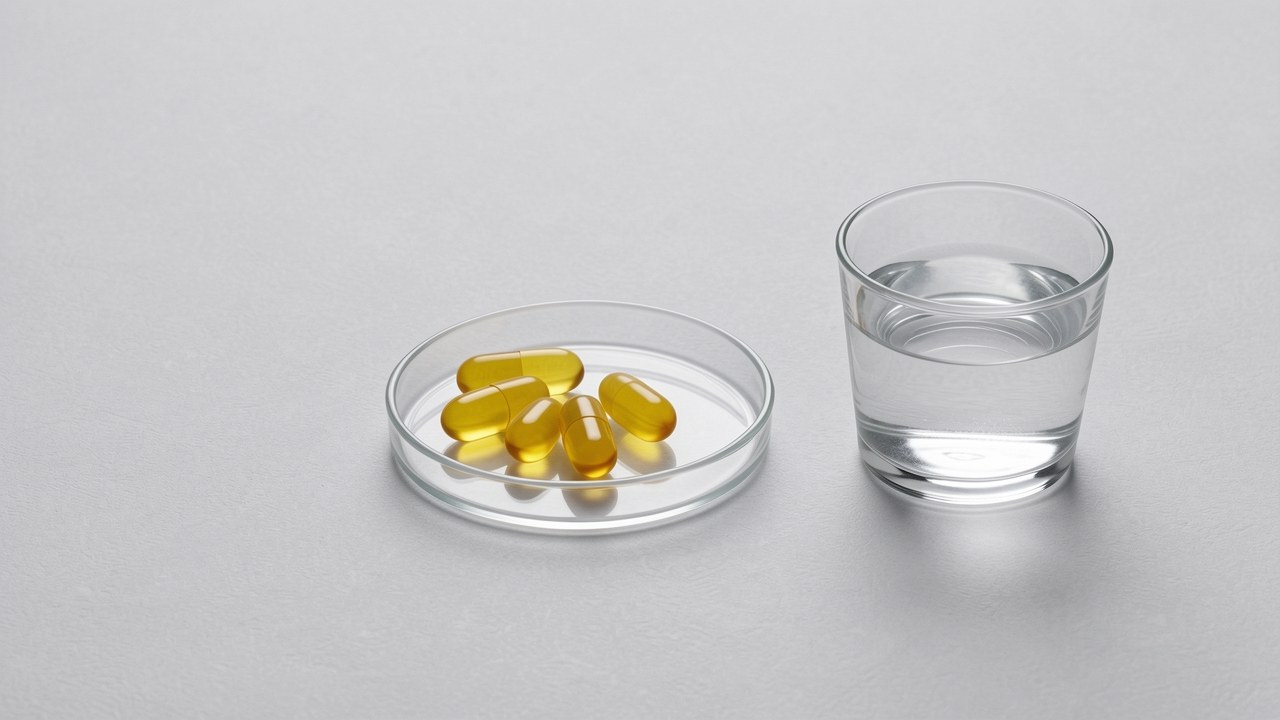
Understanding Vitamin A Supplements
Vitamin A is an essential fat-soluble nutrient that supports vision, immune function, and cell growth. Supplements provide vitamin A in one of two forms: preformed vitamin A (retinol and its esters, such as retinyl palmitate) or provitamin A carotenoids, like beta-carotene, which your body converts into vitamin A.
Preformed vitamin A comes from animal sources and is also in many fortified foods. Beta-carotene is found in colorful fruits and vegetables, such as carrots, sweet potatoes, and spinach. The form matters: preformed vitamin A is more readily absorbed and can be more toxic in high doses, while beta-carotene is generally considered safer in terms of toxicity but has its own concerns at high supplement doses.
- Preformed vitamin A: retinol, retinyl palmitate, retinyl acetate
- Provitamin A: beta-carotene
- Most U.S. adults get enough vitamin A through diet alone
- Supplements are dietary supplements, not medicines, and are not reviewed by the FDA for safety or effectiveness before marketing
Sources: WebMD, StatPearls Publishing (NCBI Bookshelf), Cleveland Clinic, Office of Dietary Supplements (NIH)
Why Supplements Are Usually Unnecessary
Vitamin A deficiency is rare in the United States and other well-nourished countries. A diet that includes liver, dairy, eggs, and colorful vegetables typically meets the daily requirement. For example, a single serving of beef liver can exceed the daily need, and many foods are fortified with vitamin A.
Unless you have a medical condition that impairs absorption or a doctor has identified a deficiency, taking a vitamin A supplement is unlikely to provide added benefit and may increase the risk of toxicity.
- Most people in the U.S. get enough vitamin A from food
- Deficiency is rare in developed countries
- No proven benefit for healthy adults to take extra vitamin A
Sources: WebMD, StatPearls Publishing (NCBI Bookshelf), Consultant360
Who Might Need Vitamin A Supplements?
Some people have conditions that make it difficult to absorb fat, which can lead to low vitamin A levels. These include Crohn's disease, ulcerative colitis, celiac disease, and cystic fibrosis. If you have one of these conditions, your healthcare provider may recommend a vitamin A supplement to prevent deficiency.
Determining who needs supplements is best done through a conversation with your healthcare provider and possibly a blood test, not self-diagnosis.
- People with malabsorption disorders: Crohn's disease, ulcerative colitis, celiac disease, cystic fibrosis
- People with a known vitamin A deficiency
- Always talk to your doctor before starting any supplement
Sources: WebMD
Reading Labels: IU and RAE
Vitamin A amounts on labels are listed in two ways: International Units (IU) and Retinol Activity Equivalents (RAE). RAE reflects the amount of retinol the body actually gets from different forms of vitamin A. For example, 1 mcg RAE equals 1 mcg of retinol, 12 mcg of beta-carotene, or 24 mcg of other provitamin A carotenoids.
The Recommended Dietary Allowance (RDA) for adults is 700–900 mcg RAE per day for men and women, which is equivalent to about 2,310–3,000 IU. However, many supplement labels still use IU, which can be confusing because the conversion between IU and RAE differs for retinol and beta-carotene. To compare labels, you may need to convert values. For example, 1 IU of retinol is equal to 0.3 mcg RAE, whereas 1 IU of beta-carotene is equal to 0.05 mcg RAE.
- IU: measure of biological activity used on older labels
- RAE: accounts for the actual retinol activity based on the source
- RDA for micronutrients: men 900 mcg RAE/day, women 700 mcg RAE/day (2,310–3,000 IU)
- When comparing supplements, check the RAE on the label or ask a pharmacist to help convert
Sources: WebMD, Consultant360, Cleveland Clinic
Safety: Toxicity and Medication Interactions
Vitamin A is fat-soluble and accumulates in the body. Chronic intake of excessively high doses can lead to toxicity. The Tolerable Upper Intake Level (UL) for preformed vitamin A in adults is 3,000 mcg RAE (10,000 IU) per day. Taking more than 10,000 IU of preformed vitamin A daily over long periods may cause chronic toxicity, with symptoms such as skin peeling, liver damage, vision changes, and severe headache.
Acute toxicity can occur after a single extremely high dose, sometimes greater than 2 million IU in adults; in infants, even 350,000 IU can be harmful.
Pregnant women need to be especially careful: excess preformed vitamin A can cause birth defects. Adverse outcomes have been reported with doses as low as 25,000 IU per day during pregnancy.
Beta-carotene supplements carry a different risk. In people who smoke or have quit, high-dose beta-carotene supplements may increase the risk of lung cancer. Therefore, smokers and former smokers are advised to avoid beta-carotene supplements.
Vitamin A supplements can interact with certain medications, including acitretin, bexarotene, and orlistat. Always tell your healthcare provider and pharmacist about all supplements you take to avoid potential interactions.
- Chronic toxicity: prolonged intake of more than 10,000 IU/day (preformed vitamin A) can be harmful
- Acute toxicity: >2,000,000 IU in adults, >350,000 IU in infants
- Pregnancy: excess preformed vitamin A may cause birth defects
- Smokers: avoid beta-carotene supplements due to lung cancer risk
- Possible interactions with medications like acitretin, bexarotene, orlistat
Sources: Australian Prescriber, StatPearls Publishing (NCBI Bookshelf), Consultant360, Cleveland Clinic
Making the Decision: Food First, Professional Advice Second
For most people, the best approach is to meet vitamin A needs through a balanced diet. Whole foods provide not only vitamin A but also other beneficial nutrients. If you are considering a supplement, first consult with your healthcare provider to determine if you truly need one.
Use this simple decision table based on your situation.
A balanced approach means talking with a professional, such as a doctor or registered dietitian, who can evaluate your diet, health history, and potential interactions.
| Your situation | Recommendation |
|---|---|
| Healthy, eating a varied diet that includes animal and plant sources | No supplement needed; focus on meeting needs through food |
| You have a medical condition that affects fat absorption (e.g., Crohn's, celiac) | Possibly; discuss with your healthcare provider to assess your needs |
| You are pregnant or planning to become pregnant | Do not take vitamin A supplements without medical advice; excess can harm the developing baby |
| You smoke or have quit smoking | Do not take beta-carotene supplements; they may increase lung cancer risk |
Sources: WebMD, StatPearls Publishing (NCBI Bookshelf), Cleveland Clinic
Frequently asked questions
Should I take vitamin A supplements every day?
Only if your healthcare provider recommends it, such as for a diagnosed deficiency or a condition like malabsorption. For most people, a daily supplement is unnecessary and could lead to excessive intake over time. If you do take it, follow the recommended dosage on the label or as directed by your doctor, and take it with food that contains fat to help absorption.
Sources: WebMD, StatPearls Publishing (NCBI Bookshelf), Cleveland ClinicWhat is the difference between vitamin A from food and supplements?
Food provides vitamin A in a natural matrix with other nutrients, and your body regulates its absorption more efficiently. Supplements provide a concentrated dose of a specific form, which may be absorbed differently and carries a higher risk of toxicity because you can easily take too much. In contrast, it is harder to get toxic amounts from food alone.
Sources: StatPearls Publishing (NCBI Bookshelf), Cleveland ClinicCan vitamin A supplements interact with medications?
Yes. Vitamin A supplements may interact with certain medications, such as acitretin (used for psoriasis), bexarotene (for certain cancers), and orlistat (a weight-loss drug). Always tell your healthcare provider and pharmacist about all supplements you take.
Sources: WebMD, American Heart AssociationIs beta-carotene safer than retinol in supplements?
Beta-carotene is generally safer in terms of vitamin A toxicity because your body converts it to vitamin A as needed. However, high-dose beta-carotene supplements have been linked to an increased risk of lung cancer in people who smoke or have smoked. For non-smokers, beta-carotene supplements are less likely to cause toxicity, but it is still important to avoid excessive doses.
Sources: WebMD, Consultant360, Cleveland ClinicWhat are the signs I need a vitamin A supplement?
Signs of vitamin A deficiency include night blindness and dry eyes, which are early signs, and more severe issues with skin and immunity over time. However, these symptoms are not specific to deficiency and can be caused by other conditions. Only a healthcare provider can determine if you have a deficiency through evaluation and possibly a blood test. Do not self-diagnose.
Sources: WebMD, Cleveland ClinicSources
- The safety of commonly used vitamins and minerals — Australian Prescriber
- Dietary Supplements: What You Need to Know - Consumer — Office of Dietary Supplements (NIH)
- Vitamin A Supplements - Uses, Side Effects, and More — WebMD
- Vitamin A Toxicity - StatPearls - NCBI Bookshelf — StatPearls Publishing (NCBI Bookshelf)
- Medication Interactions: Food, Supplements and Other Drugs — American Heart Association
- Vitamin A Use Today and Its Potential Toxicities — Consultant360
- Vitamin A Toxicity: How Much Vitamin A Is Too Much? — Cleveland Clinic